Estimates, contracts, pay applications and design packages. Where overruns are built in and how to see them before you sign.
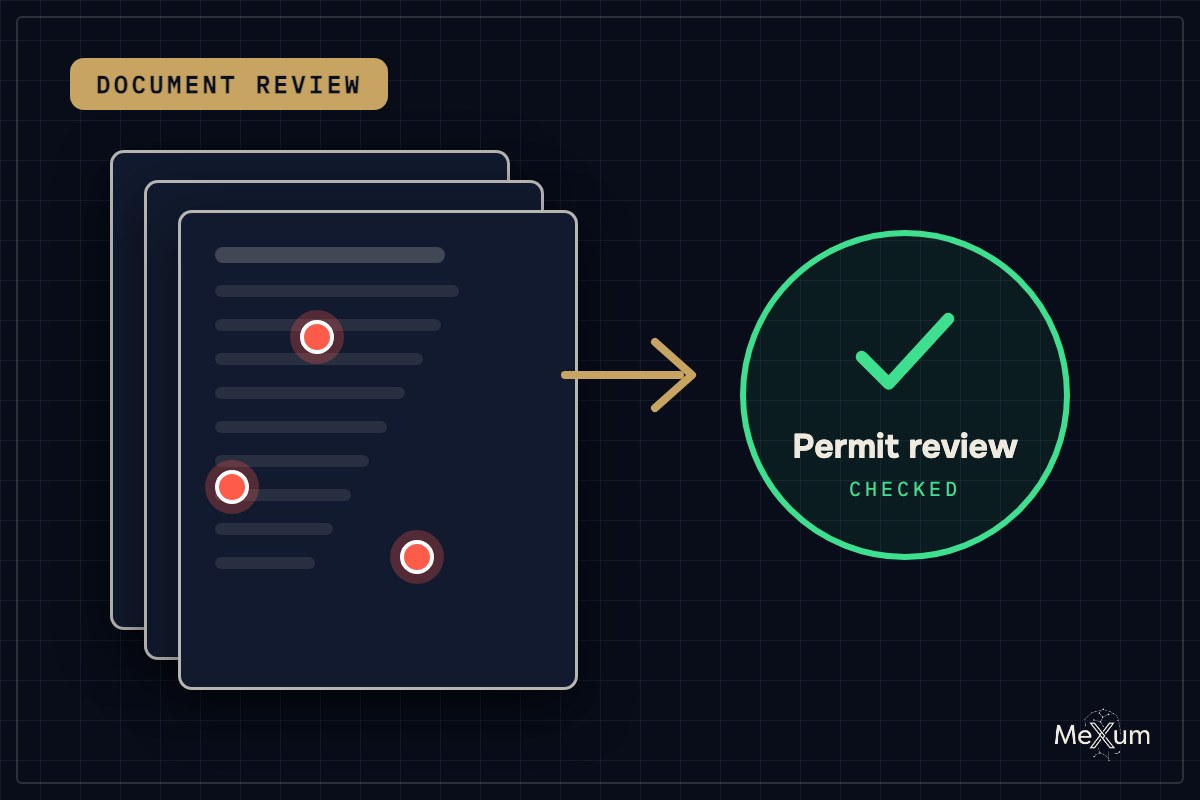
What a construction document review checks, 12 places where errors hide, how to run one yourself in 7 steps, who else can do it and what it costs. Find conflicts before plan check.
October 23, 2026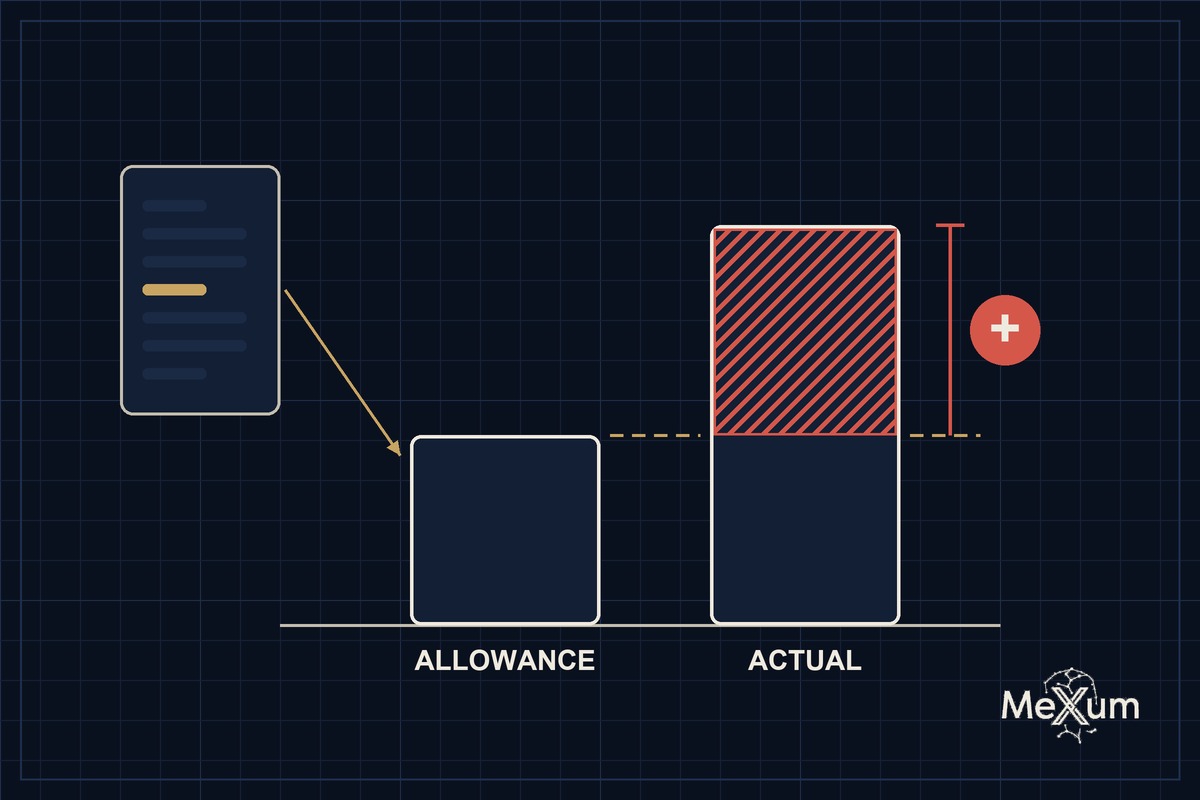
What a construction allowance is, how a low allowance wins a bid and creates change orders later, and a checklist to review every allowance in your contract.
October 19, 2026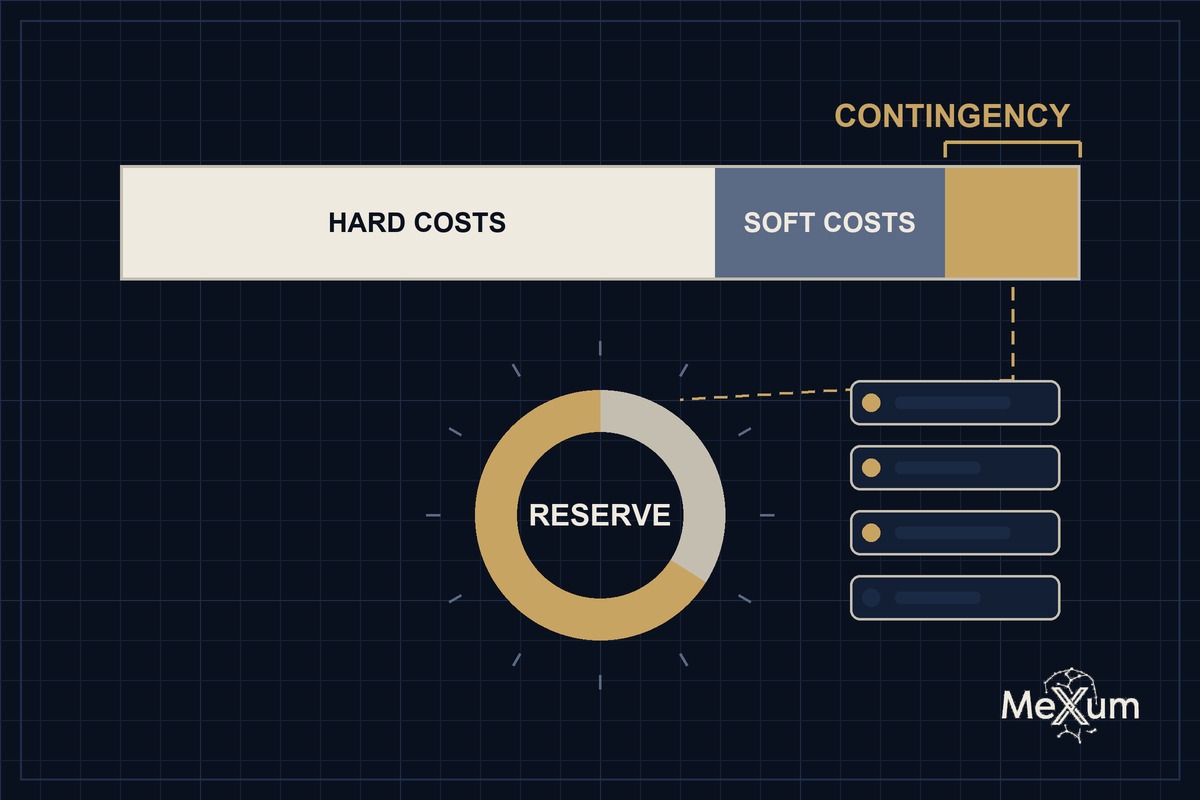
How much contingency a construction budget needs, how it differs from allowances and change orders, and how to track draws so the reserve does not vanish.
October 19, 2026
What an independent construction estimate review costs, how long it takes, what the report includes and how to tell whether it will pay for itself. Warning signs, options compared and a worked example.
October 11, 2026
What a quantity takeoff is, how estimators measure area, length, volume and counts from plans, typical waste factors, and a checklist for catching the errors that quietly distort an estimate.
October 8, 2026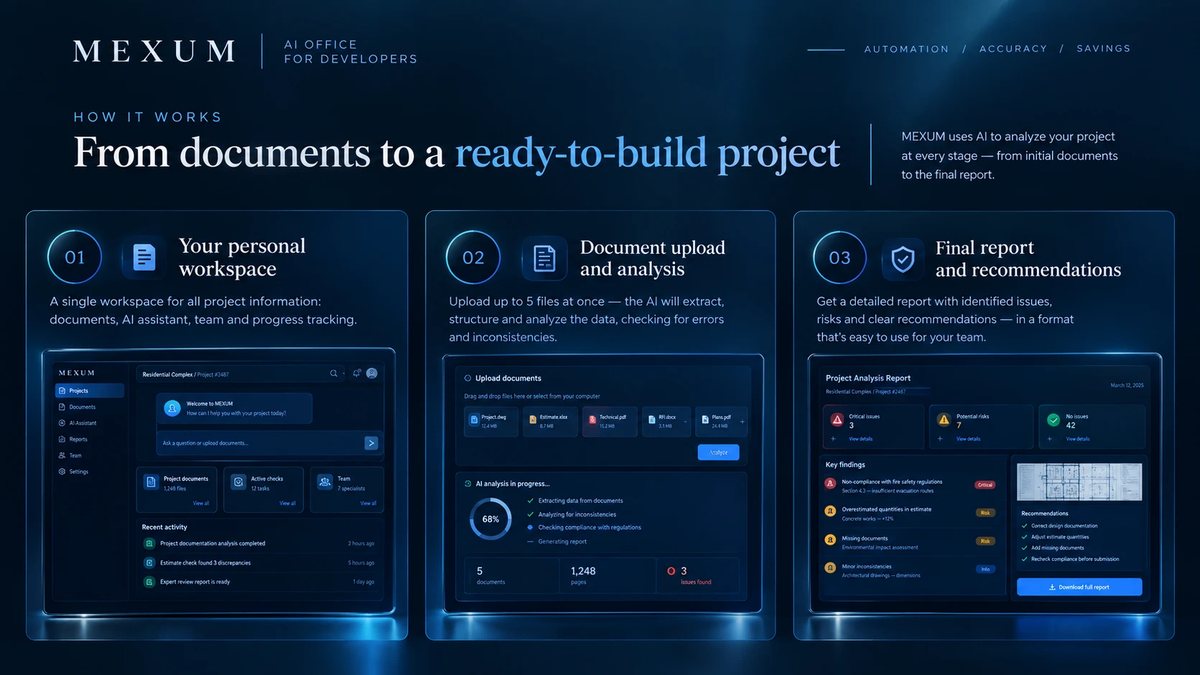
What AI estimate review can reliably find (math errors, duplicates, scope gaps, mismatched quantities) and where you still need a human estimator. A practical guide for owners, contractors and lenders.
October 6, 2026
How conditional and unconditional, progress and final lien waivers differ, when each one should be signed, and how owners and lenders keep unpaid subs from putting a lien on the property.
October 6, 2026
What retainage is, typical percentages, how it appears on a pay application, when it is reduced or released, and the mistakes that cost owners and subcontractors money.
October 6, 2026
What a punch list is, when to create it, how to describe items so they get fixed, how much to hold back, and how to close it out with documents instead of handshakes.
October 6, 2026
How fixed-price, cost-plus and time-and-materials contracts allocate risk, when each makes sense, and what to check in the estimate under each type so the budget does not drift.
October 6, 2026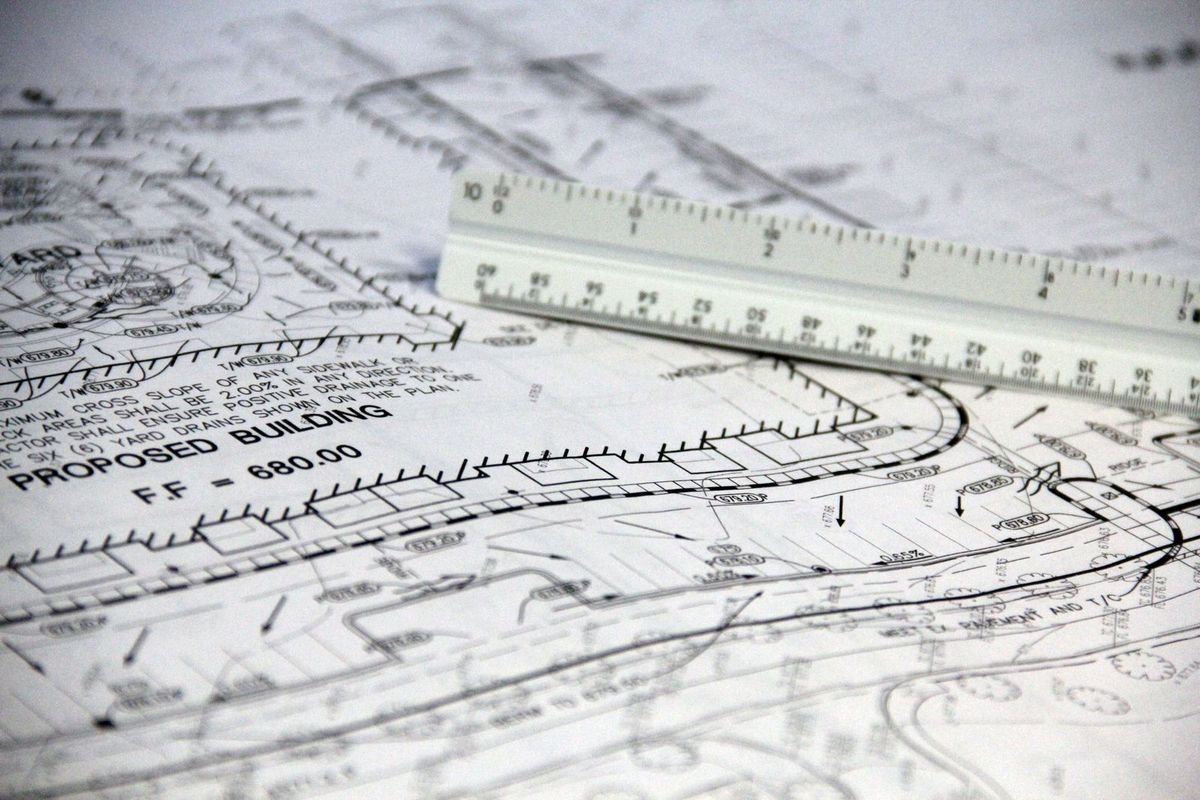
A practical checklist for construction lenders: reconcile the budget to drawings, test the schedule of values, size contingency, check rates and set conditions precedent.
October 3, 2026
Lenders: which documents to track from closing to completion on a financed project, and how to check progress, budget and draws against what was actually built.
October 1, 2026
Change orders are where margin and disputes hide. Learn to separate scope gaps from true changes, choose a pricing basis, control markup and time, and document approval.
September 29, 2026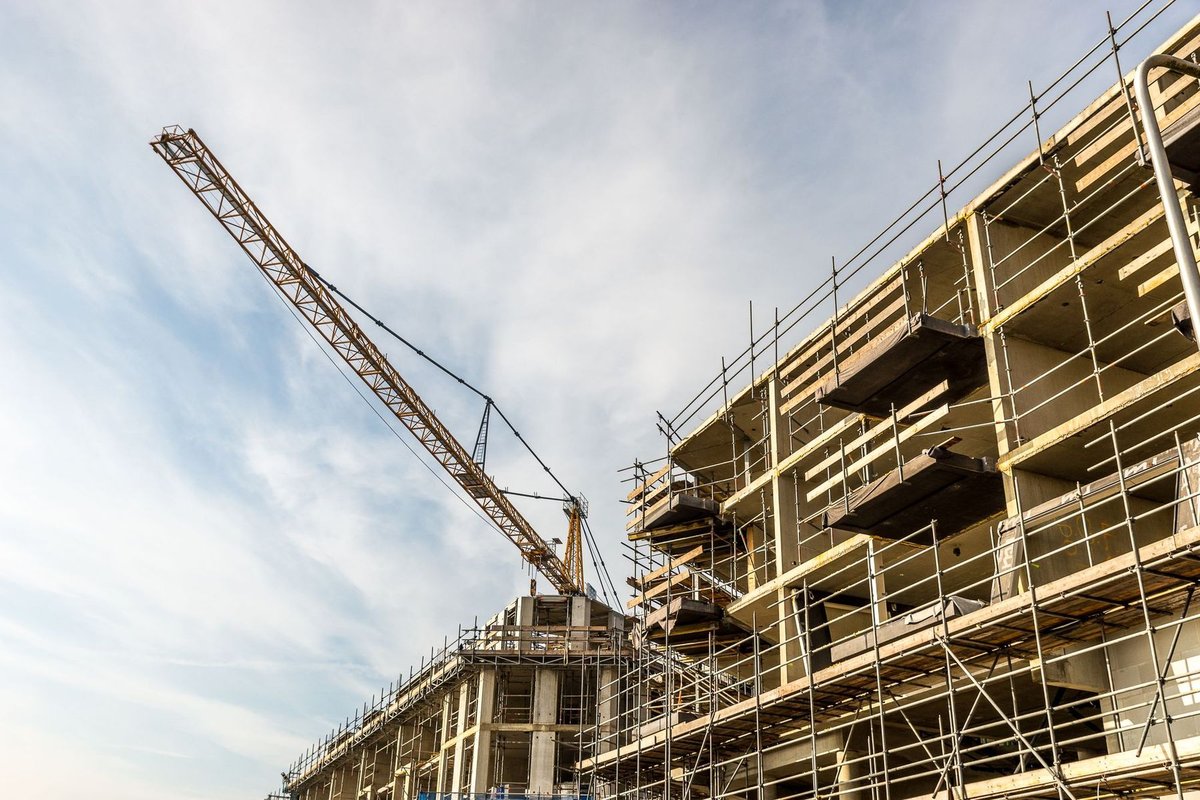
Before you close on a flip or sign with a contractor, check eight things: scope, allowances, permits, payments, change orders, insurance, timeline and exit documents.
September 26, 2026
The tile is lifting, the slab has cracked, and the contractor has stopped answering. Here's the order to do things in — and the one question about their license that can change the entire case before you argue about workmanship at all.
August 11, 2026
Your team can't measure everything in the field. Most overbilling is visible from the desk — if you know which documents to reconcile against. Twelve checks, and the deadline that quietly approves the invoice on your behalf.
August 7, 2026
You negotiated the price. This is the document that decides what that price is worth when the schedule slips, the wall opens up, or the slab cracks two years later. Nine clauses, in the order they'll hurt you.
August 5, 2026
Nobody steals it. It leaks — through a takeoff copied from the last job, a rate applied to the wrong assembly, four drawing packages that weren't issued at tender. Ten places to look before you sign.
August 2, 2026A reasoned conclusion in PDF is delivered within 24 hours.