
Construction Allowances: How They Hide Cost Overruns and How to Check Them Before You Sign
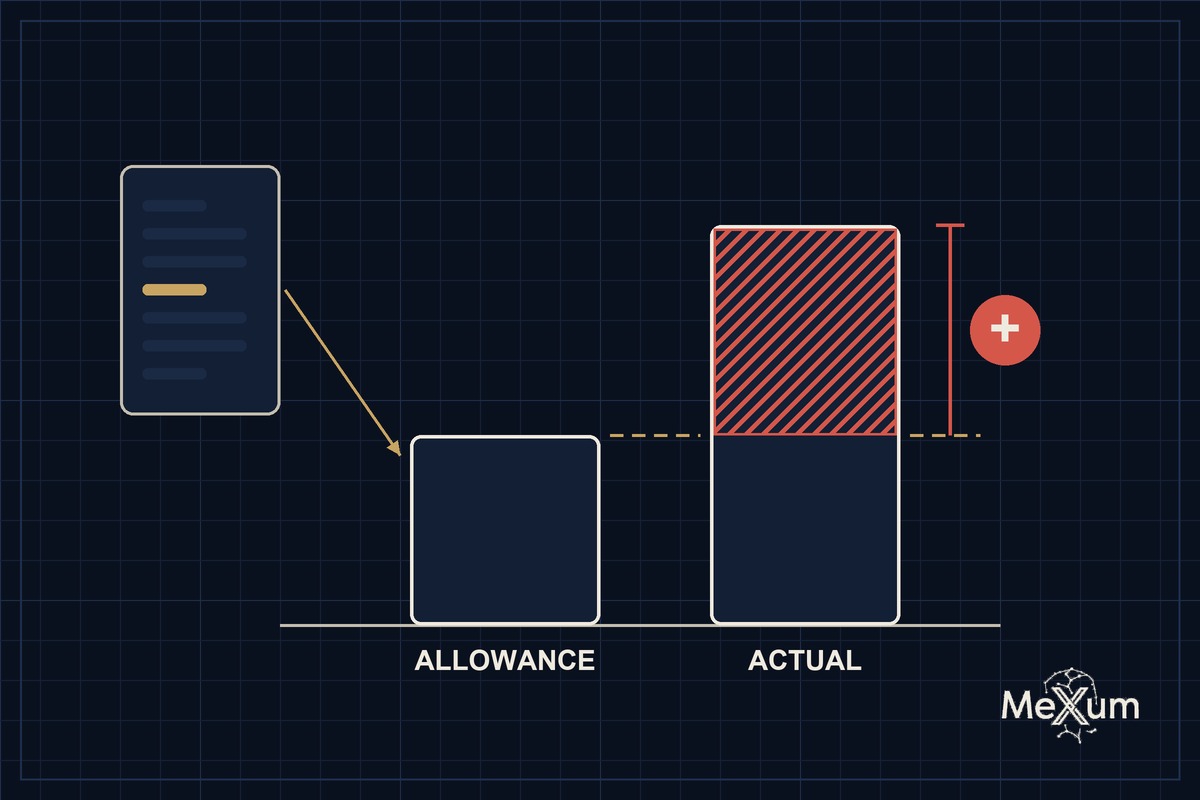
Two bids come in for the same house. One is $40,000 lower. The cheaper contractor didn't find a better supplier or a smarter schedule. They put $6,000 for all the kitchen and bath finishes into an allowance line, and the other bid priced those finishes at what they actually cost.
That's the typical allowance problem: it is a legitimate tool, and it's also the easiest place in a contract to make a bid look cheaper than it is. Here is how allowances work and how to check each one before you sign.
What an allowance is
An allowance is a placeholder amount in the contract for something that hasn't been selected or priced yet: flooring, light fixtures, plumbing fittings, appliances, tile, landscaping. The contractor includes a dollar figure, and the final cost is adjusted up or down once you choose the actual item.
Allowances are normal. Nobody can price a light fixture they haven't picked. The risk is in how the number was set and what it is supposed to cover.
How a low allowance becomes a change order
Here is the pattern, step by step:
- The bid is written with a low allowance, so the total looks competitive.
- You sign and start choosing finishes.
- The items you like cost more than the allowance.
- The difference is billed as an addition, often with the contractor's markup on top.
You never "agreed" to a higher price. You just picked a tile that cost more than the number someone else wrote months earlier. The final cost lands where it would have landed anyway, but you found out late, with less room to compare other bids.
What to check in every allowance
1. The amount against real prices. Take the allowance for flooring, divide by the square footage, and compare it with what the flooring you actually want costs per square foot. Do the same for fixtures and appliances. A quick set of showroom prices beats a guess.
2. What the allowance includes. Does it cover only the material, or also delivery, sales tax, installation labor and waste? Two contractors can use the same dollar figure and mean different things.
3. What happens above and below. The contract should say how overruns and underruns are handled: do you get a credit if you spend less? Is the contractor's markup applied to the difference? Is that markup stated?
4. The selection deadline. Many allowance items have lead times. If a selection is late, the schedule slips, and some contracts shift that cost to the owner. Ask for a date by which each choice must be made.
5. How it is documented. Every adjustment should be written, with the item, the price and the new contract total, before the item is ordered.
6. Whether the same cost appears twice. Some estimates carry an allowance for a finish and also a separate installation line that already covers it. Check line by line.
A short checklist before you sign
- List every allowance with its amount and the area it covers.
- Get a price check for each item from a showroom or supplier.
- Confirm what is included in each allowance.
- Confirm how credits and markups work.
- Write down selection deadlines.
- Make sure the total changes only through a written adjustment.
Frequently asked questions
What is an allowance in a construction contract?
A placeholder amount for items not yet chosen or priced, adjusted to the actual cost when the selection is made.
Is a low allowance a red flag?
Not by itself, but it should be compared with the real cost of what you plan to buy. If the number is far below that, the bid is cheaper on paper than in practice.
Who pays when the actual cost is higher?
Usually the owner, through an adjustment to the contract price. What matters is that the contract says how it is calculated and whether markup applies.
Can someone review the contract and estimate for this before signing?
You can upload the estimate and contract to MEXUM and get a written report within 24 hours that flags line items, missing scope and risky terms, each tied to the exact line of your document. It is an independent document review and does not replace your attorney.