
Construction Loan Underwriting: What to Verify in the Borrower's Budget Before Closing
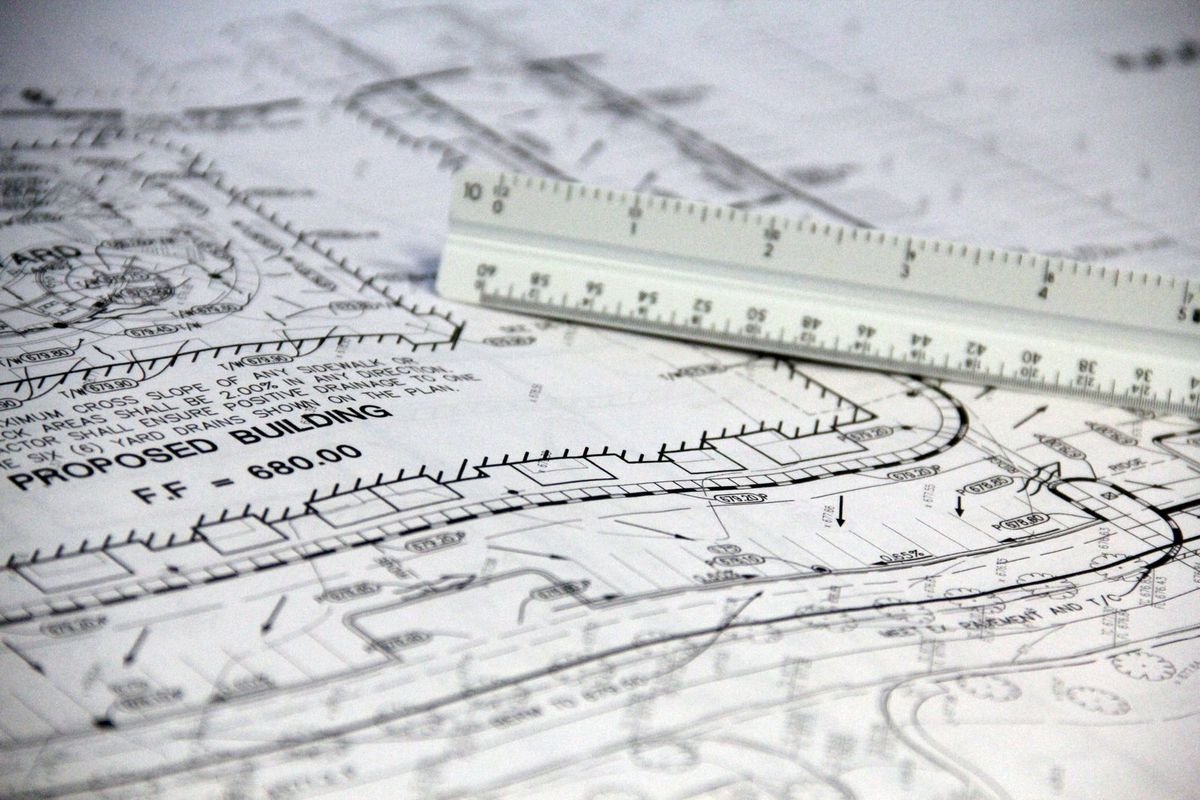
The credit memo is drafted. The borrower's package arrived as a single PDF: a budget summary on two pages, a schedule of values, a signed contract, and a drawing set that is labelled "for permit" rather than "for construction". The equity is in, the appraisal supports the as-complete value, and the closing date is fixed. Someone asks whether the budget has been checked, and the honest answer is that it has been read, not tested.
That gap is where most construction loan problems start. A budget that is internally consistent can still be wrong against the drawings, light on scope, or built on rates that no subcontractor will honour. The lender usually discovers this at draw four, when the loan is already out of balance and the remaining funds no longer finish the building. The checks below are meant to be done before closing, when the lender still has leverage.
1. Reconcile the budget to the drawings and scope
Start with what is being built, not what it costs. The budget should trace to a specific drawing set, identified by issue date and revision, and the lender file should record which set it is.
- What to look for: the drawing set title and revision, the specification book, addenda, and any scope the borrower describes in the narrative but that the drawings do not show.
- What it means: a budget priced from a schematic or permit set carries design risk. Everything the designers add later arrives as a change order against a fixed loan amount.
- What to ask: which set was priced, what has changed since, and which disciplines (structural, mechanical, electrical, plumbing, fire protection, civil) are fully drawn.
Check that each major scope item has a budget line, and each budget line has a scope item. Missing lines are more dangerous than inflated ones: fire protection, elevators, façade, site utilities, off-site works and testing are common omissions.
2. Test the schedule of values
The schedule of values is the contract price broken into the lines against which draws will be requested, so it is the document the loan will actually be administered from.
- Does it follow a recognised cost breakdown, and does it match the budget line for line?
- Is it front-loaded? Mobilisation, general conditions, bonds and insurance should be proportionate, and not a large share of the price that is billable in the first months.
- Is any line a lump sum that hides several trades? A line called "MEP" cannot be verified at inspection; separate lines can.
- Do the totals reconcile exactly to the contract sum, including the contractor fee and any allowances?
3. Separate hard costs from soft costs
Hard costs are the construction contract and directly related items. Soft costs include design and engineering fees, permits and impact fees, legal, insurance, financing costs, developer fee, marketing and lease-up costs. Each category fails in a different way.
- Hard costs fail through scope gaps and unrealistic rates.
- Soft costs fail through omission and timing: permit and utility connection fees paid late, insurance renewed at a higher rate, professional fees for the full duration of a longer schedule.
- Financing costs deserve a separate test: is the interest reserve sized on the realistic schedule and the realistic draw curve, or on the borrower's best case?
Ask for the developer fee and any related-party charges to be shown as separate lines. Fees paid to affiliates of the borrower are not wrong in themselves, but they should be visible, and the timing of their payment should be agreed with the lender.
4. Assess contingency and allowances
There are two different safety margins and they should not be mixed. A contingency is a reserve for unknown cost; an allowance is a placeholder for a known item whose selection or price is not yet fixed.
- Contingency: is there one at owner level and one in the contractor price? Who controls the release? Is the amount proportionate to design completeness and site risk? A fully drawn new building on a clean site and a renovation of an occupied structure should not carry the same figure.
- Allowances: list every allowance with its amount and the item it covers. Compare the amount to a realistic price for that item. Low allowances for finishes, fixtures, specialty equipment or site conditions are a common way to present a lower total.
- Exclusions and alternates: read the contractor's qualifications and exclusions. An exclusion in the contract that has no matching line in the owner budget is an unfunded cost.
There is no universal correct contingency percentage, and you should be sceptical of anyone who quotes one without reference to design stage, contract type and site. Set the amount by reasoning about specific risks, and document that reasoning.
5. Check quantities and unit rates
Two questions: are the quantities supported by the drawings, and are the prices supported by the market?
- Quantities: spot-check the largest lines. Take the floor area, wall length, slab volume or pipe run from the drawings and compare it with the quantity in the estimate. Differences in either direction need an explanation. Quantities that match the drawings exactly across every line may mean the estimate was reverse-engineered from a target price.
- Unit rates: compare the main rates with recent bids for similar work in the same region, published cost data, or the lender's own portfolio history. Both too high and too low matter. Too high may indicate inflated related-party pricing; too low means a future change order or a contractor who cannot complete.
- Escalation: if the construction period is long, look at whether prices are fixed, indexed, or silently assumed to hold.
6. Understand the contract type: lump sum, cost-plus, GMP
The same budget carries different risk depending on who bears overruns.
- Lump sum (stipulated sum): the contractor carries the price risk on the defined scope. Review the scope definition carefully, because disputes shift to what is included. Confirm that the contractor's balance sheet can absorb a loss.
- Cost-plus without a cap: the owner carries the price risk. The loan budget is then only an estimate, and the lender needs a larger contingency and tighter cost reporting.
- Guaranteed maximum price (GMP): protection exists only to the extent the GMP is properly defined. Check what costs sit outside it, how savings are shared, how the contractor contingency is handled, and which events permit the GMP to be adjusted.
Standard forms exist for each approach, among them the AIA A101 and A102 series in the United States, CCDC 2 in Canada and FIDIC forms widely used internationally. Check the current edition and any amendments for your jurisdiction, because amendments often change risk allocation more than the base form does.
7. Retainage, cost-to-complete and independent cost review
Retainage. Confirm the retainage percentage in the contract matches the loan agreement, when it is released, and what law applies to it where the project sits. Retainage rules vary by jurisdiction and by public or private project status; take advice locally. A contract that reduces or releases retainage early weakens the lender's position at the point where completion risk is still high.
Cost-to-complete. Before closing, establish a clear method for the loan to stay in balance: remaining hard cost, remaining soft cost and interest reserve must be compared with undisbursed loan funds and committed equity at every draw. Agree in advance what happens when the loan is out of balance, and whether the borrower must deposit funds before the next advance.
Third-party review. Lenders commonly engage an independent construction consultant or cost reviewer. Give that reviewer a precise assignment: which drawing set, which questions, which deliverable. A review that covers "the budget" in general terms tends to confirm what the borrower already said.
8. Permits and utility approvals as conditions precedent
A budget is only meaningful for a project that can legally be built. Make the following conditions to the first advance, or at least to advances beyond site work:
- Building permit issued for the drawing set that was priced, not an earlier version.
- Zoning and planning approvals final, with appeal periods expired where applicable.
- Utility capacity and connection agreements in place, with the connection costs and schedule reflected in the budget.
- Environmental and geotechnical reports reviewed, with their recommendations priced.
- Builder's risk and liability insurance bound, with the lender named as required.
- Payment and performance security from the contractor where the loan structure relies on it.
Utility approvals are frequently the item that delays a project by months without any change in the budget, and the interest reserve is what pays for that delay.
9. Red flags in the borrower package
- A budget that has fewer lines than the drawings have disciplines.
- Round numbers on lines that should be calculated from quantities.
- Contingency that is very low, or that appears elsewhere as an allowance with a different name.
- A contractor quote that is undated, unsigned, or addressed to a different entity.
- Related-party contractor or large developer fees paid early.
- Different totals for the same item in the budget, the contract and the schedule of values.
- Drawings marked preliminary, or a specification with missing sections.
Where an independent document review fits
MEXUM is a service that reviews design, cost and contract documents and returns a reasoned conclusion as a PDF within 48 hours. In a lending workflow it is useful at one specific point: before the credit committee or closing, when the borrower package exists and the lender wants a structured second reading of it. The review compares budget, drawings and contract for consistency, notes unsupported quantities and rates, and lists open questions for the borrower.
It does not replace the lender's own underwriting, the independent construction consultant, the site inspector or the lawyer. It does not certify progress, approve draws or give legal opinions. Its purpose is narrower: to make sure the right questions are on the table before the loan documents are signed.
This article is general information and not legal or financial advice.
Frequently asked questions
Why check the borrower's budget before closing instead of during construction?
Before closing, the lender still has leverage. A budget can be internally consistent yet wrong against the drawings, light on scope, or built on rates no subcontractor will honour. If this is discovered at a later draw, the loan may already be out of balance and the remaining funds may no longer finish the building.
What is the difference between contingency and allowances in a construction budget?
A contingency is a reserve for unknown cost, while an allowance is a placeholder for a known item whose selection or price is not yet fixed. They should not be mixed. Low allowances for finishes, fixtures, specialty equipment or site conditions are a common way to present a lower total, so each should be compared with a realistic price.
Is there a correct contingency percentage for a construction loan?
The article says there is no universal correct percentage, and advises scepticism toward anyone who quotes one without reference to design stage, contract type and site. The amount should be set by reasoning about specific risks, and that reasoning should be documented. A fully drawn new building on a clean site and a renovation of an occupied structure should not carry the same figure.
What red flags should a lender look for in a borrower's budget package?
Examples include a budget with fewer lines than the drawings have disciplines, round numbers on lines that should be calculated from quantities, very low contingency, an undated or unsigned contractor quote, early related-party or developer fees, different totals for the same item across documents, and drawings marked preliminary or a specification with missing sections.